Concave (as-molded)
A concave molded bar top provides a textured walking surface without added grit. Review slip-resistance requirements for the actual conditions.
Technical data
Access published catalog data for preliminary product selection. Review load cases, support conditions and resin compatibility before final specification.
Deflection in inches for a single panel on simple supports. Point load values are for a concentrated load at mid-span; uniform and line load tables also list the maximum recommended load and apparent EI.
Sixty-eight chemicals against six resin and construction combinations. Ratings are for the concentration and maximum service temperature listed on each row.
Materials
Compare Type V, Type I and Type O against the chemical, concentration and temperature of your process. The chemical guide is a starting point for technical review.
| Resin type | Base | Corrosion resistance | Flame spread (ASTM E84) | Max service temp. | Standard colors |
|---|---|---|---|---|---|
| Type VEvaluate Type V for chemical exposure using the published resistance ratings. The 230°F catalog maximum is not an approval for every chemical at that temperature. | Vinyl ester | Excellent | Class 1, 25 or less | 230°F 110°C | Dark gray, Orange |
| Type ICompare Type I for industrial service where the chemical guide supports its use. Confirm the specific concentration and operating temperature. | Isophthalic polyester | Very good | Class 1, 25 or less | 220°F 104°C | Green, Yellow, Light gray |
| Type OConsider Type O where the published ratings suit the exposure. Check its lower catalog temperature limit of 160°F during selection. | Orthophthalic polyester | Moderate | Class 1, 25 or less | 160°F 71°C | Green, Light gray |
Chemical resistance data is a selection guide, not a warranty. Concentration, temperature, aeration and mixed streams all change the result. Confirm the service conditions with us before the panel is ordered.
Material Selection
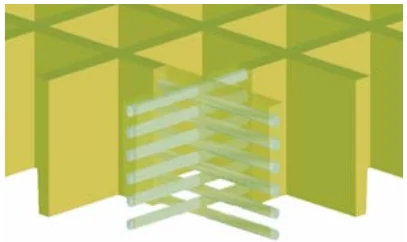
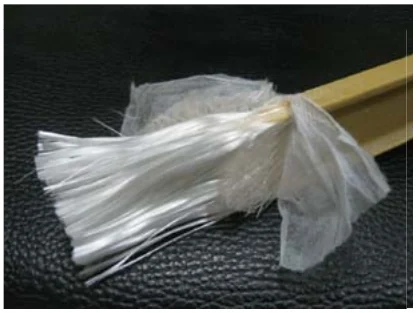
Fiberglass grating does not rust like steel. The resin, surface and construction can be selected for your operating conditions, with published weights and load data to guide the design.
Walking surface
A concave molded bar top provides a textured walking surface without added grit. Review slip-resistance requirements for the actual conditions.
A bonded grit layer provides an additional surface option for walkways and stair treads. Specify the required finish and maintenance conditions.
A solid top plate closes the grating openings. Load capacity, drainage and any wheel traffic require separate review.
About
Class 1 flame spread, rating of 25 or less, on all three standard resin systems.
Mini mesh and ADA I-bar configurations pass the 5/8 inch ball test used for accessible walking surfaces.